+91-9910555318 +91-9711586599 laxmisteels2017@gmail.com Address Office:
Plot No. - 49, 1st Floor, Sector-2, Pocket-O, DSIIDC Bawana Industrial Area, Delhi - 110039 (INDIA).
+91-9910555318 +91-9711586599 laxmisteels2017@gmail.com Address Office:
Plot No. - 49, 1st Floor, Sector-2, Pocket-O, DSIIDC Bawana Industrial Area, Delhi - 110039 (INDIA).
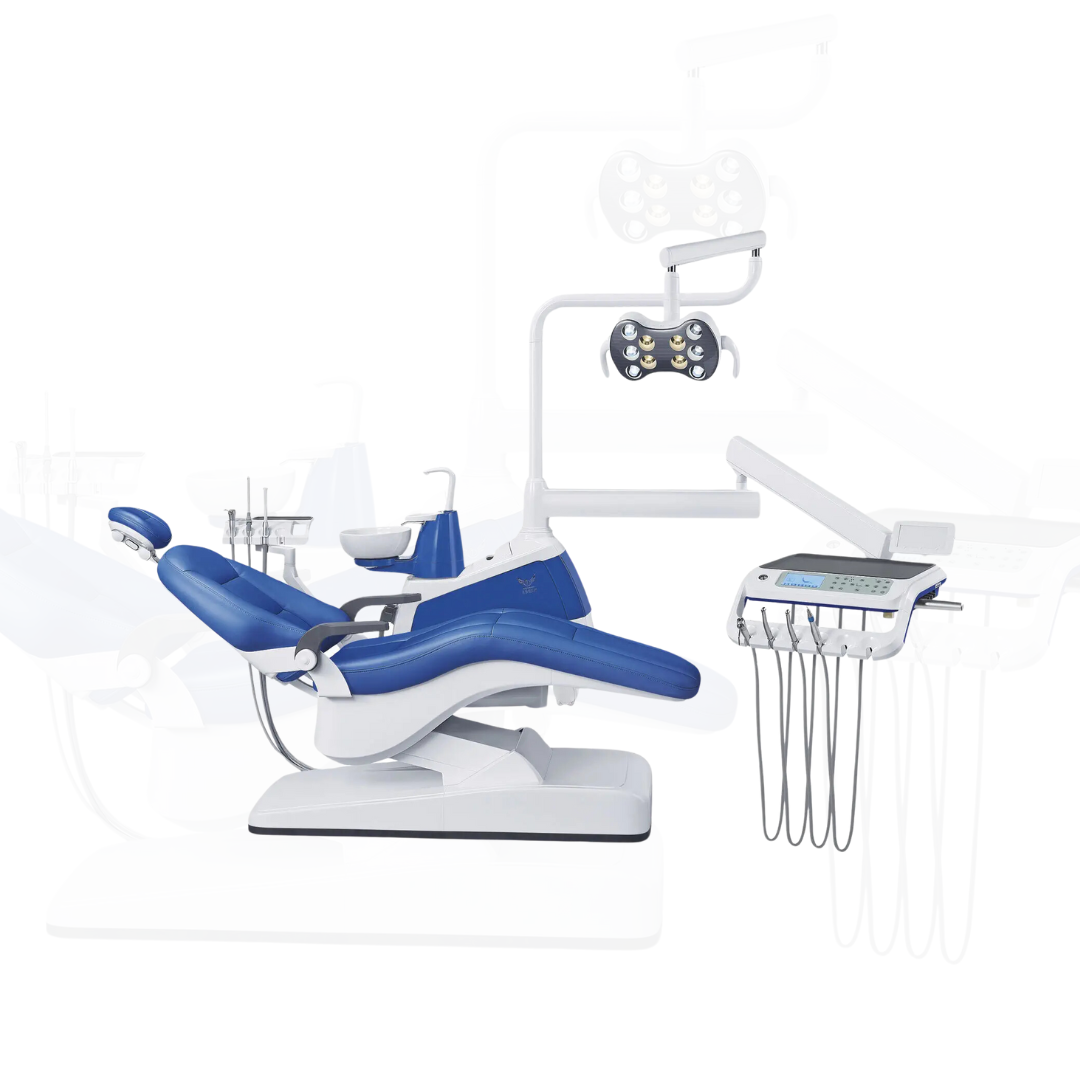
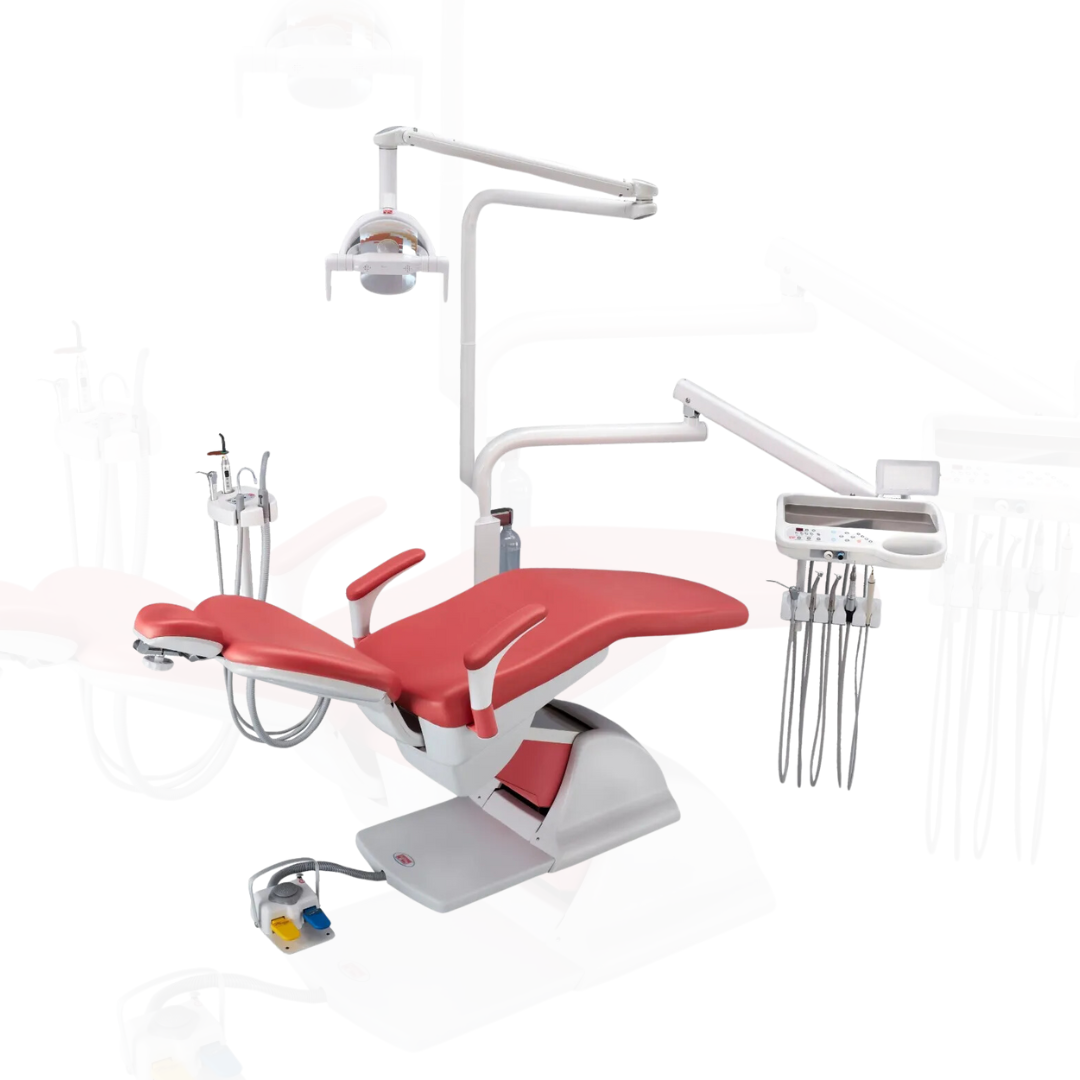
Dental chairs are specialized chairs designed for patient comfort and dental professional efficiency during dental procedures. They are a fundamental piece of equipment in any dental clinic, providing ergonomic support and mobility for dentists, hygienists, and assistants while ensuring that patients are comfortably positioned throughout their treatment.
1 - Dental chairs are highly adjustable, allowing for various positions such as recline, tilt, and height adjustments. This flexibility helps the dentist access different areas of the mouth with ease and provides patients with maximum comfort.
2 - The chairs are designed with ergonomics in mind to support the patient’s head, neck, and back, reducing discomfort during longer procedures. Ergonomics also extend to the dental professionals, minimizing strain during extended working hours.
3- Modern dental chairs often come with integrated dental equipment such as operating lights, dental delivery systems (for air, water, and suction), cuspidors, X-ray viewers, and handpiece control panels.
4- Most dental chairs feature electronic controls, allowing for precise adjustments via foot pedals, hand controls, or touchscreens. Some models also have programmable settings for different dental procedures, enhancing convenience and efficiency.
5- High-quality upholstery, headrests, and armrests are standard features to ensure patient comfort.
6- Dental chairs are made from robust materials such as high-strength steel, aluminum, and medical-grade upholstery.
Dental chairs come in various models, each offering a range of features and specifications to meet the needs of different dental practices. Below are some typical specifications to consider when choosing a dental chair:
1- Frame Material: High-strength steel or aluminum alloy for durability and stability.
2- Upholstery Material: Medical-grade vinyl or synthetic leather, often with memory foam for patient comfort.
3- Height Adjustment: Motorized or hydraulic adjustment, typically ranging from 400 mm to 800 mm.

3D - Dental India is a leading manufacturer and supplier of high-quality dental chairs and equipment, committed to providing innovative solutions for dental professionals.
Copyright @ 2024 by 3D Dental India Manufacturer of Dental Chair Website Designed by Web Flow India Private Limited